
Community Vision Guiding the Westside’s Future
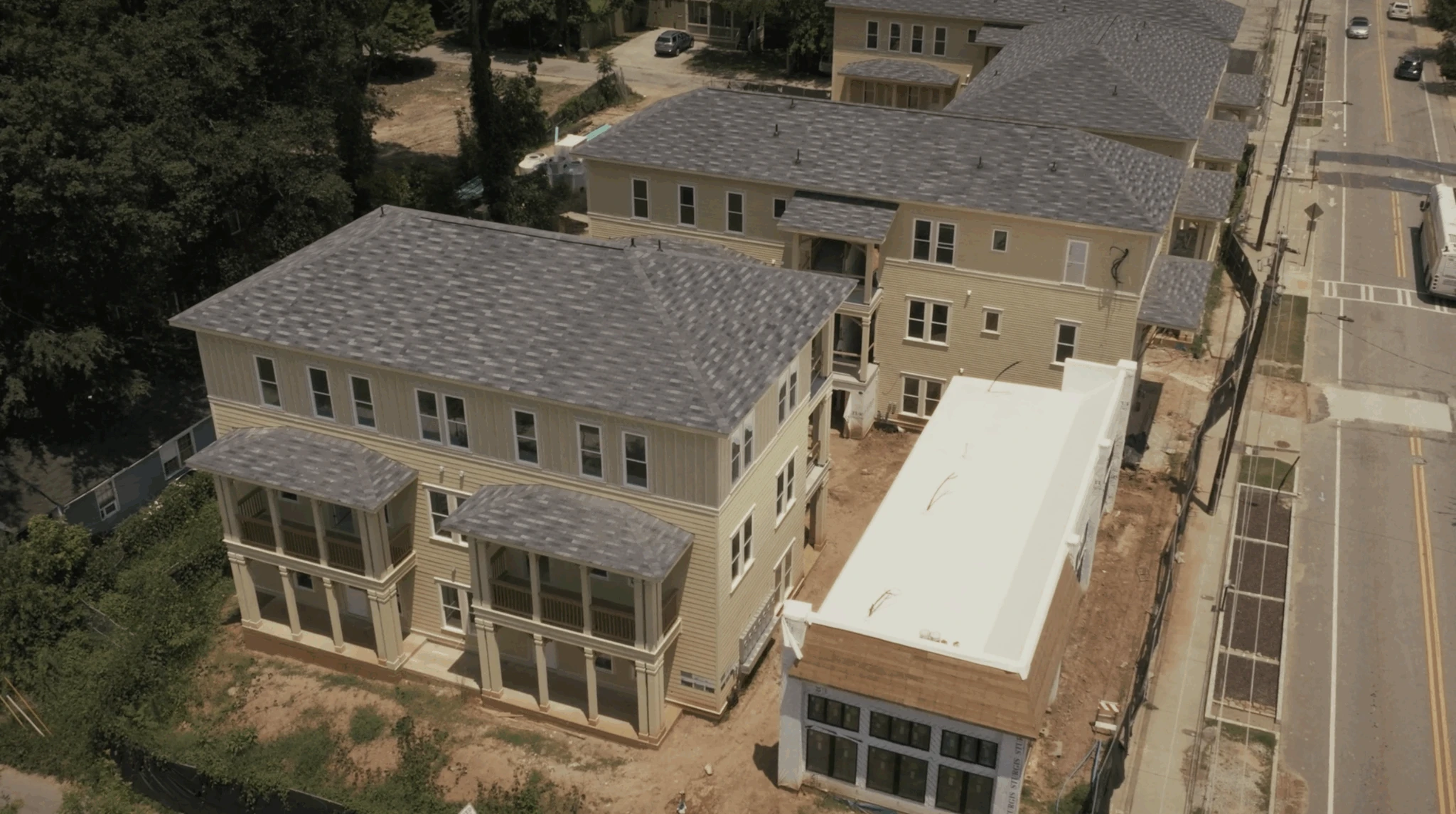
Across Atlanta’s Historic Westside, restoration is underway. New homes are being built, longtime residents are gaining new pathways to remain in the communities they love, and neighborhood spaces are being reimagined for the future.
But behind these visible changes is more than a vision. It is a system for implementation — one designed to ensure growth happens thoughtfully and in alignment with community priorities: the Westside Land Use Framework Plan.
Adopted by the City of Atlanta in 2017, the Westside Land Use Framework serves as a roadmap for how neighborhoods including Vine City, English Avenue, Ashview Heights, and the Atlanta University Center can grow and thrive in the years ahead. Developed through extensive community listening and engagement, the plan brings together decades of planning efforts and resident input into a shared path forward.
To this day, for Westside Future Fund and our partners, the framework continues to help shape how restoration is carried out, ensuring that investment strengthens neighborhoods while honoring the people and history that define them.
A Community-Driven Vision for the Westside
Atlanta’s Historic Westside has played a defining role in the city’s history. The neighborhoods surrounding the Atlanta University Center were once home to many of Atlanta’s Black professionals, civil rights leaders, educators, and entrepreneurs. Institutions like Morehouse College, Spelman College, Clark Atlanta University, and Morris Brown College have shaped generations of leaders whose impact extends far beyond the city.
Yet like many historic urban neighborhoods across the country, the Westside also experienced decades of disinvestment. Population loss, vacant homes, aging infrastructure, and limited access to services created significant challenges for residents and community institutions alike.
The Westside Land Use Framework Plan was created to address these challenges while protecting the unique character and culture of these neighborhoods. Over the course of the planning process, residents, community leaders, nonprofits, and public agencies worked together to identify priorities for the future of their neighborhoods.
The result was a plan rooted in a simple but powerful idea: restoration should strengthen the community, not displace it — and that principle should be reflected not just in intention, but in how development is carried out.
From Vision to Action: How the Framework Works
What sets the Westside Land Use Framework apart is that it is not just a set of ideas, it is embedded in how development happens.
The framework informed updates to zoning and design standards across the Westside, helping establish clear expectations for building scale, form, and neighborhood character. These standards guide what can be built and, just as importantly, how it fits within the existing community.
At the same time, the framework reinforces the role of Neighborhood Planning Units (NPUs), ensuring that residents remain central to decision-making. In practice, this means that while development standards are clearly defined, any significant deviations require community awareness and input — placing an important level of accountability in the hands of the people who call these neighborhoods home.
Together, these elements create a principles-based approach to growth, one that aligns investment with community priorities and helps ensure that restoration is both intentional and equitable.
Four Priorities for a Stronger Westside
The framework outlines a set of goals designed to guide how development and investment should occur across the Westside.
Strengthening neighborhood assets.
The plan emphasizes supporting existing residents and stabilizing neighborhoods. This includes encouraging homeownership, expanding housing options, and creating opportunities for residents of different income levels to live in the community.
Preserving neighborhood identity.
The Westside’s historic architecture, cultural institutions, and faith communities are central to its character. The framework calls for protecting historic structures and ensuring that new development fits the scale and design of the surrounding neighborhoods.
Investing in infrastructure and connectivity.
Improving transportation, streetscapes, and stormwater infrastructure helps make neighborhoods safer, more accessible, and better connected to the rest of the city.
Expanding access to parks and open space.
Green space plays an important role in quality of life. The framework encourages the creation of neighborhood parks, gardens, and recreational spaces that bring residents together.
Together, these priorities form a blueprint for how restoration can happen in a way that benefits both current residents and future generations.
How the Framework Guides Our Work
Westside Future Fund helped support the development of the Land Use Framework and continues to use it as a guiding reference for our work across the Historic Westside.
Many of the initiatives we lead or support align directly with the framework’s priorities and are shaped by the systems it helped put in place.
Housing initiatives like our Home on the Westside program expand access to quality housing options for people with a live, work, or learn connection to the community. Programs that support affordable rental housing, homeownership, and financial services help ensure that longtime residents can remain in their neighborhoods as investment returns.
The framework also informs where and how development occurs. By identifying key corridors, residential areas, and opportunities for mixed-use growth — and reinforcing standards for how that development takes shape — it helps guide responsible investment that complements the character of existing neighborhoods.
At the same time, the plan emphasizes protecting legacy residents through strategies that reduce displacement pressures. Efforts such as the Anti-Displacement Tax Fund, which helps longtime homeowners manage rising property taxes, reflect this commitment to long-term stability.
Beyond housing, the framework’s broader vision for neighborhood vitality aligns with our holistic focus on community health, education, safety, and economic opportunity—all essential ingredients for thriving neighborhoods.
Building the Future Together
Restoration is not a single project or moment in time. It is an ongoing process that requires collaboration between our neighbors, community organizations, nonprofits, government agencies, and private partners.
The Westside Land Use Framework Plan helps ensure that this work moves forward with a shared understanding of what the community wants its future to look like — and with the tools to carry that vision forward in practice.
By grounding development in community priorities, embedding those priorities into how decisions are made, protecting historic character, and supporting longtime residents, the framework provides a foundation for growth that strengthens the Westside while honoring its legacy.
As Westside Future Fund and our partners continue to invest in housing, public spaces, and community programs, the framework remains a guidepost and a system helping ensure that restoration reflects the voices, values, and aspirations of the people of the Westside.