
Women’s History Month: Spaces That Serve Women Shape Stronger Communities
Across Atlanta’s Historic Westside, the story of community has always been shaped by women — leaders, caregivers, educators, and entrepreneurs whose influence extends far beyond any single space.
But just as important as the people are the places.
From historic institutions to neighborhood hubs and small businesses, spaces designed to support women and girls have long served as anchors of stability, opportunity, and connection. During Women’s History Month, we recognize not only the women who lead and inspire, but the environments that have helped make that leadership possible.
Because when women have access to supportive spaces, entire communities thrive.
A Legacy Rooted in Place
For generations, Atlanta’s Historic Westside has been shaped by women who not only led within their communities, but helped build the very spaces that sustained them.
Long before modern redevelopment efforts, women across the Westside were organizing around housing, health, education, and civil rights — often creating place-based solutions that responded directly to the needs of their neighbors.
One of the earliest examples of this work can be seen in the Atlanta Neighborhood Union, a pioneering, women-led initiative founded in 1908 by Lugenia Burns Hope. Based out of Morehouse College in the historic Westside, the organization served Black neighborhoods across Atlanta with a focus on aiding underprivileged families, and improving health outcomes and quality of life by meeting residents where they were — bringing care, resources, and education directly into the community. Through efforts like personal care classes, a health clinic, and family support programs, it stands as an early model of what community-informed, place-based investment can look like when women lead.
That same spirit of leadership and place-based impact is reflected in the legacy of Coretta Scott King. Following Dr. King’s assassination, Mrs. King founded The King Center — and in its earliest days, she managed the organization from the basement of her home in Vine City, bringing its work directly into the community. From those beginnings, the Center grew into a global institution dedicated to preserving the legacy of Martin Luther King Jr. and advancing nonviolent social change. Her work is a powerful reminder that spaces rooted in community can grow to shape movements far beyond their geographic boundaries.
That tradition of women-led, place-based organizing is powerfully embodied in the story of Dorothy Bolden. Born in 1924 and raised in Vine City, Bolden began working as a domestic worker at the age of nine and spent decades witnessing the long hours, low wages, and poor treatment Black domestic workers endured across Atlanta. She recognized that the city buses these women rode to and from work each day were already spaces of shared experience — and in 1968, she transformed those everyday commutes into a movement, founding the National Domestic Workers Union of America and organizing more than 13,000 women across ten cities. Under her leadership, domestic workers won meaningful wage increases, gained access to Social Security and workers’ compensation, and were required to register to vote — connecting labor rights to civic power. Her work earned advisory roles with three U.S. presidents, but it all began on the Westside, rooted in the lived experience of women in her own community.
During the Civil Rights Movement, neighborhoods like Vine City served as important centers of organizing, where homes, churches, and community spaces became sites of strategy, resilience, and collective action — often led and sustained by women behind the scenes.
Enduring Institutions, Lasting Impact
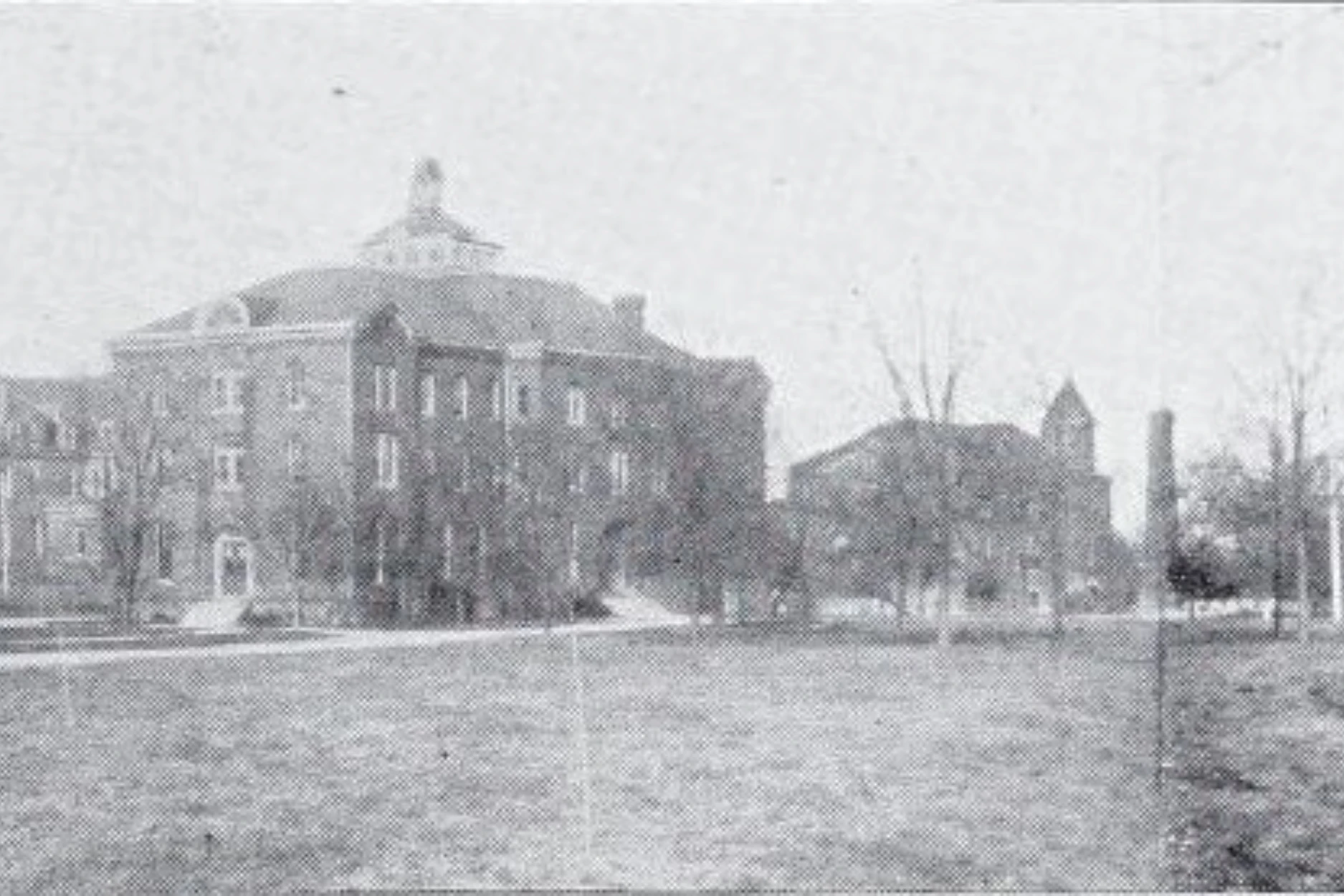
Education has long been another cornerstone of women-centered spaces on the Westside. At Spelman College, one of the nation’s leading historically Black colleges for women, students are empowered to become leaders across every field — from public service to the arts. Spelman is part of the Atlanta University Center Consortium — the largest consortium of historically Black colleges and universities in the nation — where institutions like Morehouse College and Clark Atlanta University collectively shape generations of leaders. Together, these campuses have anchored the Westside as a center of Black education, culture, and civic leadership for more than a century.
Nearby, the Phillis Wheatley YWCA has long served as a cornerstone for women and families. Historically, YWCAs like the Phillis Wheatley branch played a critical role in providing safe housing and resources for Black women during periods of segregation, when access to such spaces was severely limited. Through housing, wellness programs, and community services, the YWCA continues a legacy of creating space for women to stabilize, grow, and lead.
And at Ebenezer Baptist Church, women’s ministries have played a vital role in strengthening both spiritual life and community connection, offering support networks that extend far beyond Sunday services. Across the Westside, churches like Ebenezer have long relied on women not only as participants, but as organizers, caregivers, and community builders — sustaining networks of support that extend into housing, education, and neighborhood life.
Beyond formal institutions, women across the Westside have long created informal networks of care — supporting neighbors, raising families, and sustaining community life in ways that often go unrecognized, but are essential to neighborhood stability.
These spaces are more than buildings. They are ecosystems of support — places where women gather, learn, lead, and invest back into their neighborhoods. Together, they reflect a long tradition of women on the Westside shaping not only community life, but the physical and institutional spaces that make that life possible.
Why These Spaces Matter
Access to spaces designed with women in mind isn’t just a matter of equity, it’s a driver of community stability.
When women have access to:
- Safe and stable housing
- Educational and workforce opportunities
- Health and wellness resources
- Community and support networks
They are better positioned to build lasting roots—and to uplift those around them.
On the Westside, this is not theoretical. It’s visible.
It shows up in stronger families, more connected neighborhoods, and a growing sense of shared investment in the future. Restoration on the historic Westside is not just physical development, but the intentional creation and preservation of spaces where people — especially women — can continue to belong and thrive.
Building Forward: A Community That Supports Women
At Westside Future Fund, we believe that strong neighborhoods are built through intentional investment — not only in housing, but in the people and spaces that make community possible.
That includes:
- Partnering with organizations that serve women and families
- Supporting developments that prioritize stability and accessibility
- Investing in community infrastructure that fosters connection and opportunity
As we continue this work, the lesson is clear: When women have the support they need — through education, housing, community, and opportunity — entire neighborhoods are stronger for it.
When Women Thrive, Neighborhoods Strengthen
This Women’s History Month, we celebrate the spaces that have made that impact possible — and the women who continue to shape the Westside every day.
Because the future of these neighborhoods isn’t built by buildings alone.
It’s built by people.
And when women thrive, communities do too.