
National Historic Preservation Month: Preserving the Stories That Shape Atlanta’s Historic Westside
Each May, National Historic Preservation Month serves as an opportunity to recognize the places, stories, and communities that have shaped our nation’s history. Across the country, preservation efforts help protect historic landmarks and cultural identity while ensuring future generations remain connected to the past.
On Atlanta’s historic Westside, preservation carries an even deeper meaning.
Here, preservation is not only about restoring buildings — it is about protecting the culture, legacy, pride, and sense of belonging that generations of residents have built within these neighborhoods.
That belief is central to Westside Future Fund’s commitment to restoration without displacement.
Preserving More Than Buildings
Across neighborhoods like English Avenue, Vine City, Ashview Heights, and the Atlanta University Center, the historic Westside’s history can still be felt in the places that have anchored community life for generations.
These are the spaces where neighbors gathered, families built memories, faith communities grew stronger, and leaders emerged who helped shape the future of Atlanta itself.
Preserving those spaces means preserving the identity of the community.
Historic preservation on the Westside is not simply about honoring the past — it is about ensuring the stories, culture, and people that shaped these neighborhoods continue to remain part of their future.
Reclaiming Community Landmarks
One example is the Yellow Store in English Avenue — a longtime neighborhood landmark that once served as a soda shop before later becoming a corner store and gathering place for residents.
For years, the bright yellow building stood as a recognizable part of the neighborhood’s fabric before eventually falling into severe disrepair after years of vacancy.
Rather than allowing the structure to disappear, community-centered restoration efforts helped reclaim and stabilize the building, preserving an important piece of neighborhood history while reimagining its future.
Today, the Yellow Store is undergoing restoration — reflecting its rich history of serving the neighborhood and the importance of preserving the spaces that hold collective memory and cultural significance within a community.
That same commitment to preserving spaces that shaped community life can also be seen through the restoration of the historic English Avenue Carnegie Library along Donald Lee Hollowell Parkway.
Originally opened in 1922, the library was built through funding from Fulton County and the City of Atlanta and quickly became an important community resource for neighborhood residents. Located next to English Avenue School — then the largest school in Atlanta — the library served generations of children and families as a place for learning, literacy, and connection.
Over the years, the building would go on to serve several different uses before eventually falling into disrepair. Today, restoration efforts aim to preserve the building’s historic character while reimagining its future as a community-centered space once again.
Like the Yellow Store, the English Avenue Carnegie Library reflects the importance of preserving not only historic structures, but the spaces that helped shape the daily life and identity of the historic Westside.
Honoring Legacy While Building Opportunity
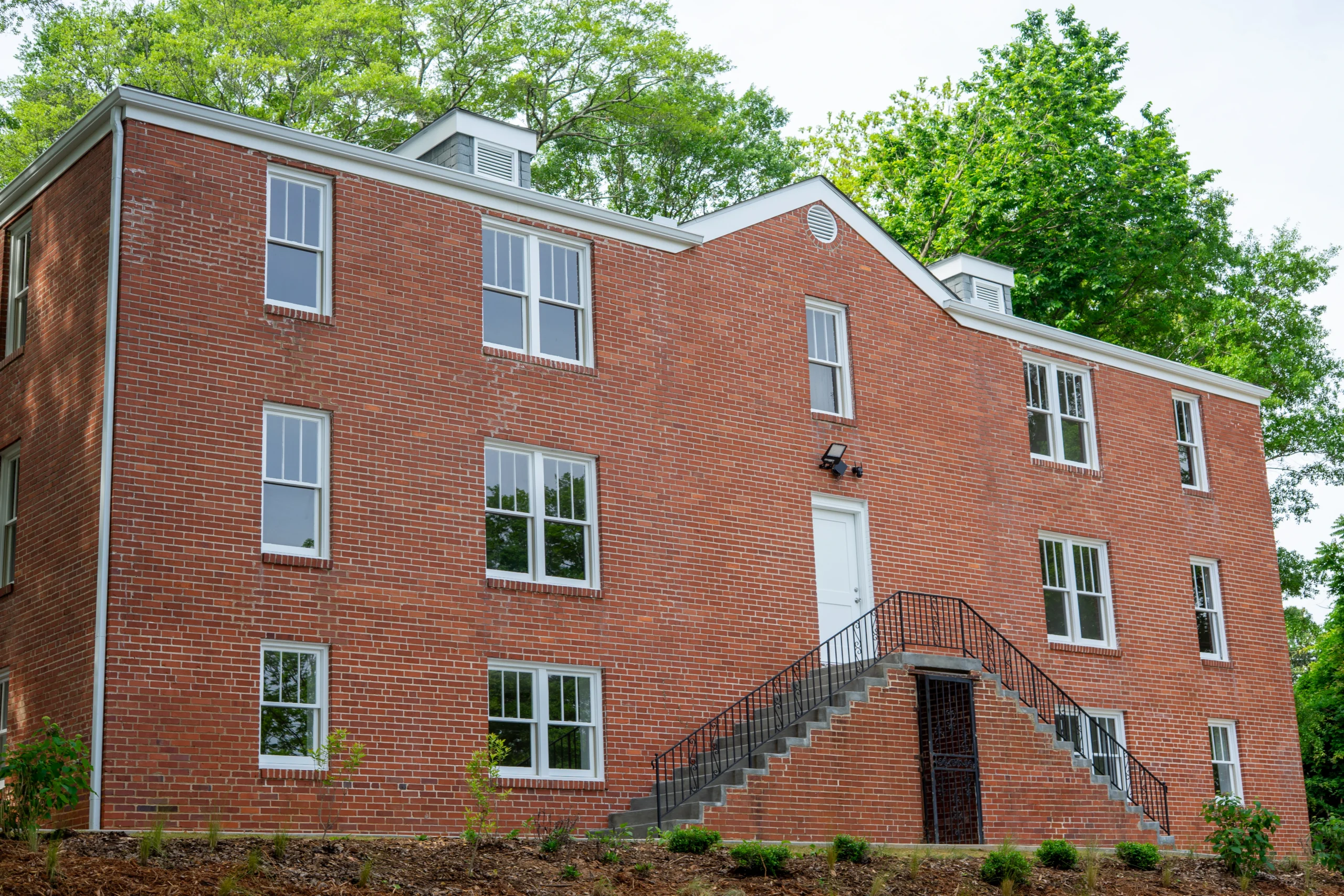
The same spirit of stewardship can be seen at 220 Sunset Avenue, which received historic designation late last year in recognition of its ties to Atlanta’s civil rights history and the family of former Atlanta Mayor Maynard Jackson Jr.
The home was built by Rev. Maynard Jackson Sr. and his wife Irene Dobbs Jackson, who was an educator at Spelman College, civil rights activist credited with integrating Atlanta’s public libraries, and mother of Atlanta’s first Black mayor. Located next door to the family home of Dr. Martin Luther King Jr. where he resided at the time of his assassination, it would later become the first home of the King Center led by Coretta Scott King. The property carries deep historical and cultural significance not only for the historic Westside, but for all of Atlanta and our nation.
But preserving 220 Sunset Avenue is not simply about honoring history. It is also about ensuring that history continues to serve the community moving forward.
Through thoughtful restoration and adaptive reuse, the property reflects a broader vision for preservation on the Westside, one that honors legacy while creating opportunity for future generations. Today, it serves as faculty housing for Spelman College through WFF’s signature Home on the Westside program — providing local educators the opportunity to both live and work in the community they serve.
Restoration Without Displacement
In communities across the country, restoration too often comes at the expense of displacement, forcing longtime residents to watch neighborhoods change around them without being able to remain part of that transformation.
On Atlanta’s historic Westside, restoration paired with preservation means pursuing a different path — one where investment works to strengthen existing communities rather than erase them.
Historic preservation can look like restoring a landmark building, but it can also look like protecting affordability, supporting pathways to homeownership, reinvesting in historic neighborhoods, and preserving the culture and community pride that make these neighborhoods unique.
Because preserving the historic Westside has never only been about saving structures.
It is about ensuring the stories, people, and spirit that shaped these neighborhoods continue to shape what comes next.